
Cravings for alcohol stem from complex neurobiological processes involving the brain’s reward system. Chronic alcohol consumption alters dopamine pathways, leading to an increased urge to drink when triggered by stress, social cues, or habitual behaviors1. The National Institute on Alcohol Abuse and Alcoholism (NIAAA) notes that these cravings can persist even after months of sobriety due to long-term neurological changes2. This cycle can be a gateway for alcohol abuse since the brain reduces its dopamine release whenever the person is not drinking. It is important to distinguish the difference between physical cravings and psychological.
- Ultimately, I did discover L-glutamine during post-acute withdrawal – but much later than I should have.
- The information we provide while responding to comments is not intended to provide and does not constitute medical, legal, or other professional advice.
- Alcohol cravings can last from a few days up to months after recovery.
- When you have triggers, it might be challenging to concentrate on anything other than alcohol.
- You can also join Monument’s online alcohol support groups to hear what’s worked for other members.
Recognize and Understand the Triggers
Healthy coping strategies for drug cravings include being aware of how long these typically last. Building a strong support system is crucial in managing cravings and maintaining sobriety. Breaking this loop can help a person overcome alcohol cravings and manage their alcohol intake. They can break this loop by avoiding triggers when possible, distracting themselves in the moment, and practicing relaxation techniques. Consider seeking professional help, such as counseling or therapy, to enhance the effectiveness of your support network. They Alcoholics Anonymous can provide tailored strategies for managing cravings and addressing underlying issues related to alcohol use.
- For that reason, it’s important to keep your tools fresh in your mind, and continue to engage in your sobriety or moderation toolkit as long as it’s serving you.
- A person may experience alcohol cravings for various reasons.
- These alcohol addiction treatments can curb cravings and make walking away from the situation more manageable.
- Identifying an alcohol craving early on presents more opportunity to manage it, and prevents escalation.
- While using medication to help reduce the cravings for alcohol can help, there’s also a need for managing the psychological aspect and improving behavioral health.
Learn a new skill
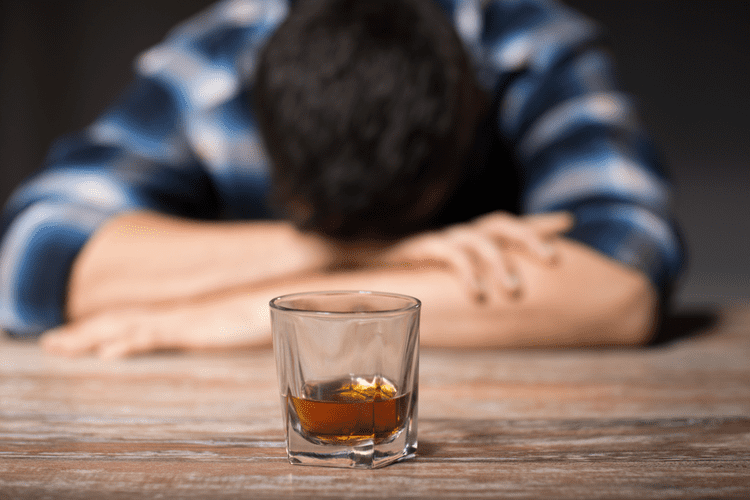
In this guide, we’ll explore the science behind alcohol cravings, how long they typically last, what influences their intensity, how to stop alcohol cravings and—most importantly—how to manage them effectively. Quitting alcohol addiction is a challenging process, but professional support can make a significant difference. At Still Detox, our experienced medical and clinical team provides personalized care to help individuals safely overcome alcohol dependence and achieve lasting recovery. Breaking regular drinking habits can help you avoid alcohol cravings. It also helps untether your brain’s association of certain times of the day, places, and friend groups with the act of drinking.
Foods That Help Reduce Alcohol Cravings
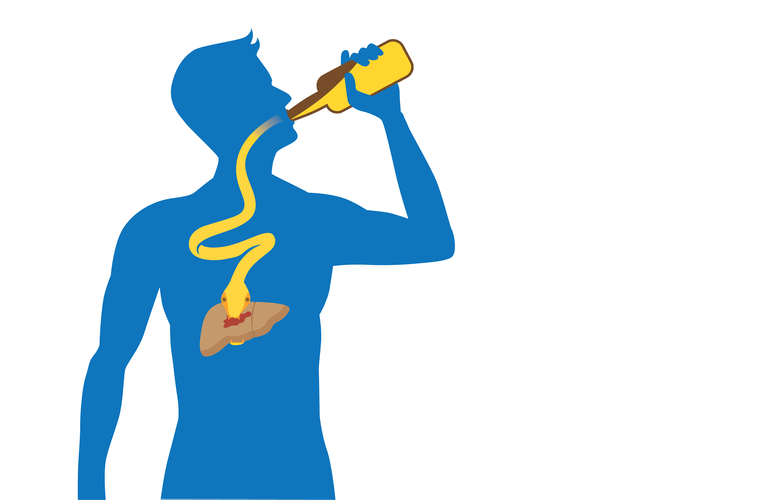
You can also find other support options near you in directories like the Hub of Hope. Support groups, like SMART Recovery or 12-Step groups, can help you connect with your peers. These programs offer fellowship, encouragement, and accountability as you move forward in recovery. If you’re looking for treatment, please browse the site to reach out to treatment centers directly. Accurate, complete profiles best connect you with the right people for your services. Maintain your profile by updating your photos, video links, treatment services, and contact details to ensure optimal visibility.